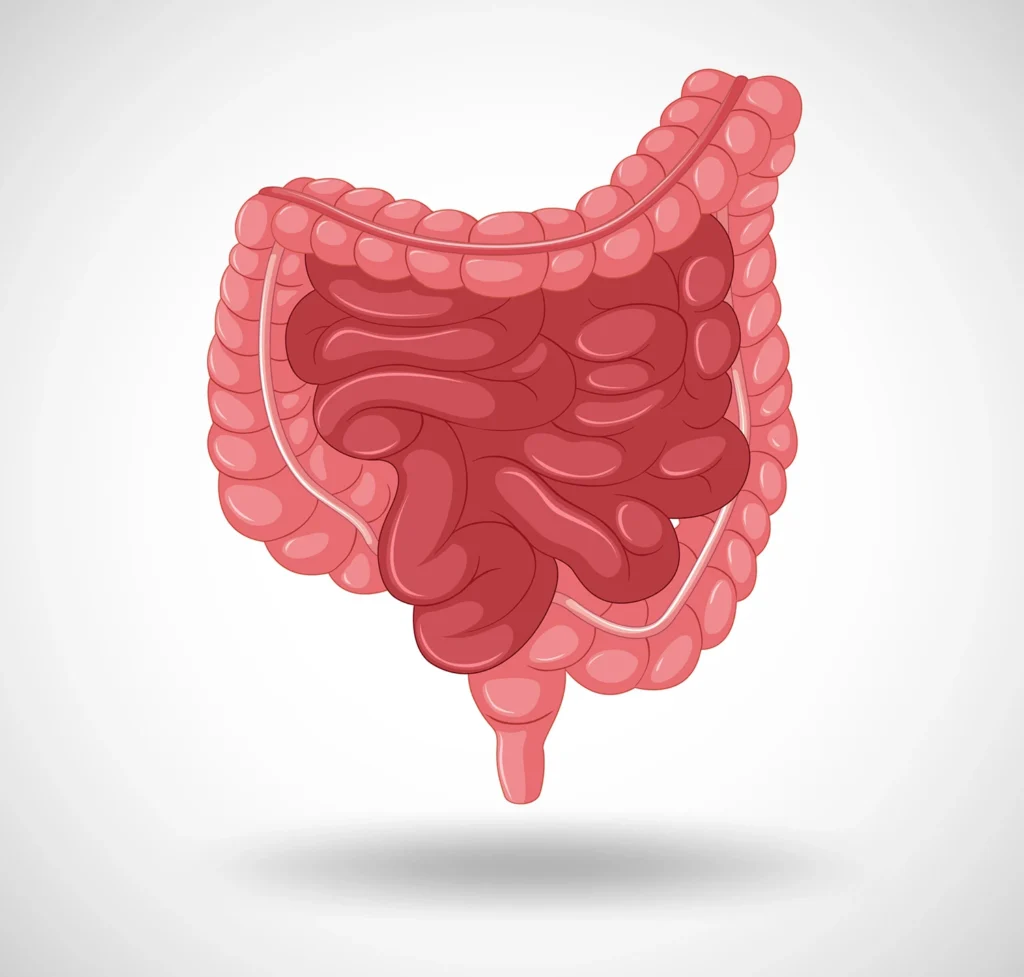
After age 50, the body’s metabolic environment shifts in ways that make fat accumulation more likely and fat loss more difficult. Declining hormones, slowing metabolism, and growing insulin resistance all work against the strategies that may have worked in earlier decades. The frustration most patients feel is real, and it has a biological explanation.
What also has a clear explanation is a targeted solution. Zone 2 cardio, performed in a fasted state, works directly against those age-related metabolic changes by addressing their root causes at the cellular level rather than just creating a calorie deficit. The research behind it spans mitochondrial function, hormonal response, visceral fat metabolism, and brain health.
What Is Zone 2 Cardio?
Zone 2 refers to a specific intensity range within aerobic exercise, one of five training zones defined by how hard your heart is working relative to its maximum capacity. It sits in the moderate range, roughly 60 to 70% of your maximum heart rate, where your body relies primarily on fat as its fuel source rather than glucose. This is the zone where your aerobic system is fully engaged but not stressed, making it sustainable for longer durations and ideal for building metabolic efficiency over time. A simple way to gauge it is whether you can carry on a conversation but couldn’t comfortably sing. You can estimate your target heart rate range using the formula 211 minus (0.65 times age).
Walking is the most accessible Zone 2 activity. A brisk walk for 35 to 50 minutes, five or more days a week, fits the target for most people.
The Metabolic Advantage of Fasted Exercise
The real power of Zone 2 cardio comes from doing it in a fasted state, meaning 10 to 12 hours after your last meal. Here’s what that changes.
When insulin and glucose levels are low and you begin moderate exercise, something important happens at the cellular level. Your muscles burn through available ATP and produce a compound called AMP, which activates an enzyme called AMPK. Researchers sometimes call AMPK the “metabolic master switch.” It causes glucose transporters to move to the surface of muscle cells, so they can absorb glucose directly without requiring insulin. For people with insulin resistance, which affects a significant portion of adults over 60, this matters.
At the same time, as liver glycogen stores are depleted, the body begins breaking down visceral fat for fuel, sending those fatty acids to the muscle mitochondria. This also upregulates an enzyme called CPT-1, which programs your mitochondria to continue preferentially burning fat for the next 24 hours.
Five Things Zone 2 Fasted Walking Does for Your Body
1. Reprograms your mitochondria
Research suggests that mitochondria decline significantly in both number and efficiency in adults over 70. Those that remain tend to be damaged and dysfunctional, producing more inflammation and DNA damage rather than clean, stable energy. Studies of older adults doing regular fasted aerobic exercise have shown meaningful increases in mitochondrial density over as little as 12 weeks, along with improvements in VO2 max — a measure of how efficiently your body uses oxygen during exercise and one of the strongest known predictors of longevity.
2. Reduces visceral fat
Visceral fat, the fat around your organs, is not passive. It actively secretes inflammatory compounds linked to heart disease, cancer, diabetes, and cognitive decline. Research on fasted versus fed walking programs in older adults consistently shows greater visceral fat reduction in the fasted group, with some studies reporting reductions two to three times greater than in those who walked after eating.
3. Protects muscle mass
After age 50, most adults lose 1 to 2% of lean muscle mass per year. By 70, that can add up to 30% of the muscle you had at 40. Muscle tissue is responsible for burning 70 to 80% of your body’s glucose. Research suggests that walking in a fasted state, when insulin and glucose levels are low, supports significantly greater growth hormone output compared to walking after a carbohydrate meal. Growth hormone is essential for muscle maintenance and repair.
4. Supports brain health
Aerobic exercise reliably increases BDNF, brain-derived neurotrophic factor, which supports the growth of new neurons and protects existing ones. Research points to fasted aerobic exercise producing especially robust BDNF responses. The hippocampus, which governs memory, shrinks at 1 to 2% per year after age 60. Randomized controlled trials have shown measurable increases in hippocampal volume in older adults who engage in regular aerobic walking programs for six months or longer.
5. Improves insulin sensitivity
When exercising in a fasted state, where insulin levels are already low, muscles burn through ATP and trigger the AMPK pathway, allowing cells to absorb glucose directly without relying on insulin. Research indicates that even a single session of moderate-intensity fasted exercise can meaningfully improve insulin sensitivity in adults over 55, an important finding given how common insulin resistance becomes with age.
How to Prepare for Your Walk
A few additions amplify the benefits without breaking your fast. About 15 to 20 minutes before your walk, drink 12 to 16 ounces of water. Adding a cup of green tea has been shown to support insulin sensitivity. A tablespoon of apple cider vinegar in 8 ounces of water is also worth considering. Research suggests the acetic acid in vinegar may support fat oxidation during moderate aerobic exercise. It also suppresses ghrelin, the hormone that drives hunger, and by slowing gastric emptying, it stimulates the production of GLP-1 and PYY in the gut, hormones that signal to the brain that you’ve had enough to eat.
Walking outside in the first hour after sunrise adds another layer of benefit. Morning sunlight stimulates serotonin production, while fasted exercise drives BDNF, creating conditions that support focus, mood, and neural health.
Within 30 to 45 minutes of finishing, eat a meal with 30 to 40 grams of protein. Eggs, Greek yogurt, cottage cheese, or a quality protein shake all work well. This window supports muscle repair.
Pairing Zone 2 with Time-Restricted Eating
Research into time-restricted eating suggests that pairing a 10 to 13 hour overnight fast with Zone 2 exercise creates a synergistic effect that exceeds what either practice produces alone. Finishing your last meal by 6:30 or 7:00 PM, then doing your fasted walk the next morning, sets up a metabolic environment that supports fat reduction, cellular repair through autophagy, improved sleep, and cognitive clarity.
A Note on Getting Started
Zone 2 is forgiving. You don’t need special equipment. A brisk walk is enough. The key is consistency, five days a week, and protecting the fasted window.
If you’re new to exercise, managing a chronic condition, or taking medications that affect blood sugar or heart rate, please work with your healthcare provider before making changes. These principles are evidence-based and widely applicable, but your individual situation matters, and a provider who knows your health history can help you apply them safely.